


Iran Cites Seven Major Submarine Cables, Raising Concerns Over Global Internet Connectivity and Commercial Data Networks
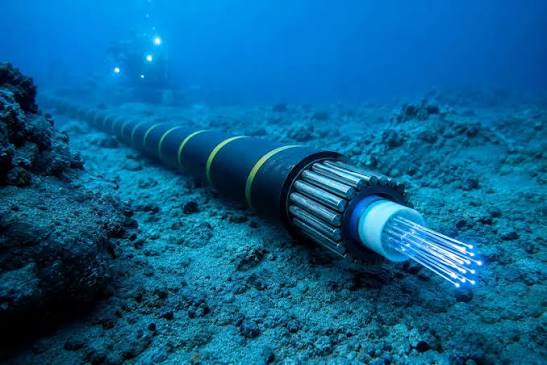
October 20, 2026: Iran’s Islamic Revolutionary Guard Corps (IRGC) has warned that undersea internet cables crossing the strategically important Strait of Hormuz could become potential targets amid continuing tensions between Tehran and Washington.
According to a report published by Yeni Şafak English, citing Anadolu Agency (AA), IRGC spokesman Hossein Mohebbi highlighted seven major undersea internet cables passing through the waterway during a ceremony at Tehran’s Sacred Defense Museum on Monday. He warned that Iran would unveil new targets and weapons as regional tensions persist.
Iran Warns of New Strategic Targets
Mohebbi said the Strait of Hormuz hosts major communications infrastructure carrying internet and commercial data. He indicated that the cables could be among the infrastructure Iran might target, while announcing plans to reveal additional targets and weapons.
The statement has drawn attention to the vulnerability of undersea communications networks, which form a critical part of the global digital infrastructure supporting internet connectivity, financial transactions and international business operations.
Data Centres and AI Infrastructure Also Mentioned
Earlier this month, Mohsen Rezaei, secretary of Iran’s Supreme National Security Council, warned that undersea cables, data centres and artificial intelligence facilities linked to the United States could be targeted if hostilities resumed.
According to the report, Rezaei said these assets had not yet been included among Iran’s targets but could face destruction in the event of renewed conflict.
Strait of Hormuz Remains a Strategic Flashpoint
The Strait of Hormuz is a key maritime passage connecting the Persian Gulf with the Gulf of Oman and the wider Arabian Sea. It is internationally significant for energy shipments and regional trade.
The latest warning comes amid continuing tensions between Iran and the United States, following military hostilities earlier this year and disagreements over security and freedom of navigation in the strait. A memorandum concerning freedom of navigation was signed in June, but implementation has reportedly stalled over security-related disagreements.
The potential targeting of undersea cables and digital infrastructure adds another dimension to the regional confrontation, highlighting how a conflict in the Gulf could affect not only maritime trade and energy supplies but also communications networks and data-dependent services.
The IRGC’s remarks represent a warning of possible future targeting; the report does not establish that the seven cables have been attacked or damaged.

